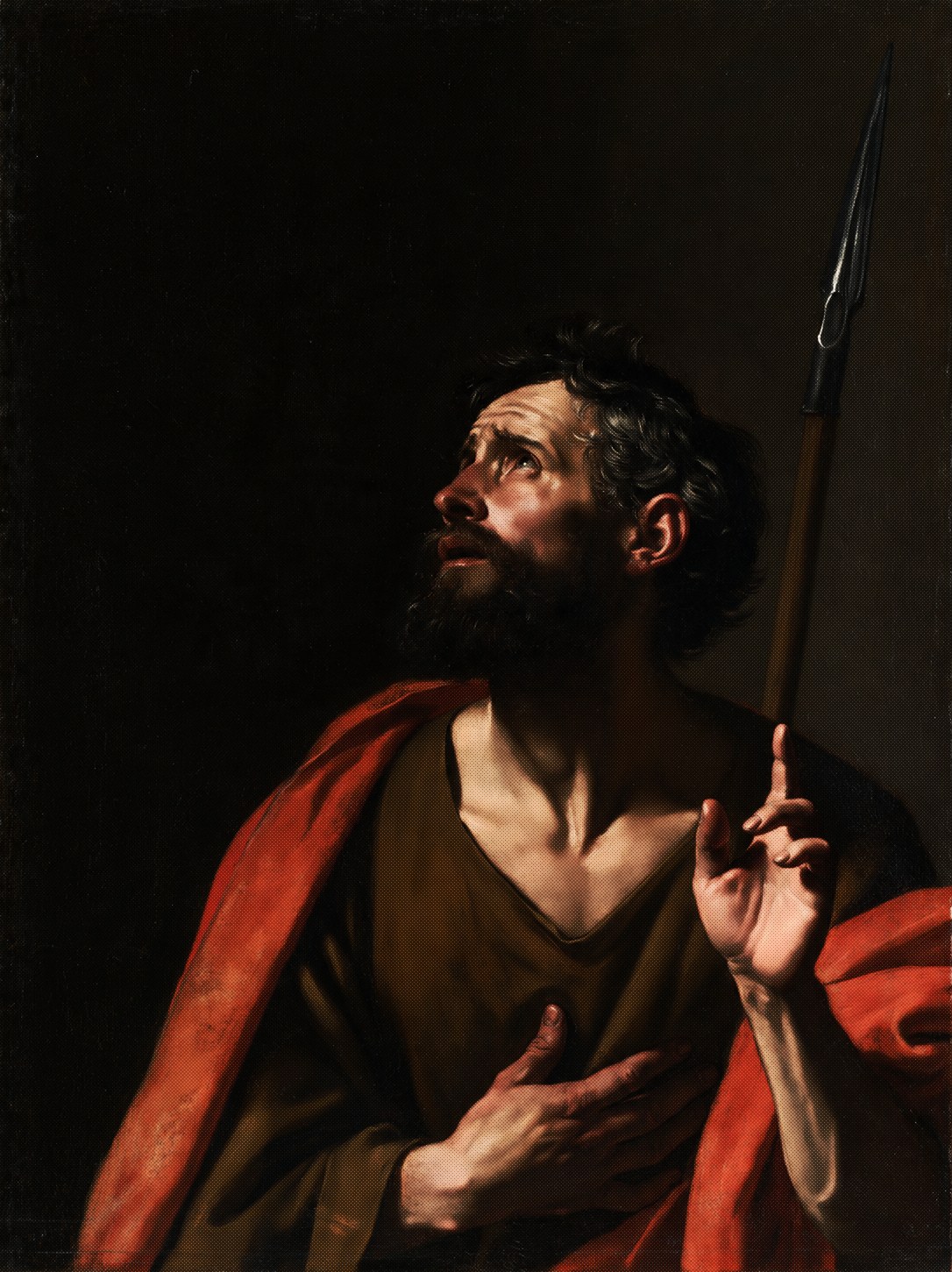
Saint Thomas the Apostle
- Born
- 1st century · Galilee
- Died
- c. 72 · near Mylapore, Tamil Nadu, India
- Feast day
- 3 July
- Canonized
- Pre-Congregation
Patron of
- architects
- artists
- carpenters
- masons
- stonecutters
- surveyors
- judges
- Christians of India
- Tamil Nadu
- Sri Lanka
- Pula
- Ortona
In Aramaic the name Thomas means "twin," and John's Gospel gives the Greek equivalent, Didymus. Nothing is recorded about where he was born or what he did for a living. The Gospels name him among the Twelve, next to Matthew in the first three and next to Philip in the Acts of the Apostles, but John tells the most about him.
John shows him speaking first when Jesus decides to go back to Judea, where he had nearly been stoned, after his friend Lazarus has died. The other disciples thought it too dangerous. Thomas told them to go along and die with him. He seems to have expected the worst, yet he would not abandon Jesus. At the Last Supper, when Jesus spoke of going ahead to prepare a place for his followers, it was Thomas who admitted that they did not know where he was going or how they could know the way.
He is best known for what followed the resurrection. Thomas was not with the others when Jesus appeared to them, and he said he would not believe their report unless he could see the marks of the nails in his hands and put his finger into them. A week later Jesus appeared again and invited him to look at his wounds. Thomas answered, "My Lord and my God." Over the centuries he has become the figure of the skeptic, but the Gospel shows him giving one of the clearest statements of faith in the New Testament. Pope Francis described him as someone who is not content with hearsay and wants to verify things for himself, who comes to believe after hesitation and difficulty.
What became of him afterward is known only from tradition. Early Christian accounts say he first preached in Upper Mesopotamia, around Edessa, and then went east, reaching India at or near Muziris on the coast of Kerala. The Saint Thomas Christians of India trace their church to him, and he is regarded as the patron of Christians in India. Tradition says he was killed with a spear at St. Thomas Mount, near Mylapore in Tamil Nadu, in the year 72. Other churches in the Middle East, southern Asia, and Sri Lanka also name him as their first evangelist. In 1258 some of his relics were brought to Ortona, in Abruzzo, Italy, where they are kept in the church of Saint Thomas the Apostle. His feast on 3 July is celebrated in India as Indian Christians' Day.
Saint Thomas the Apostle, pray for us.
Media
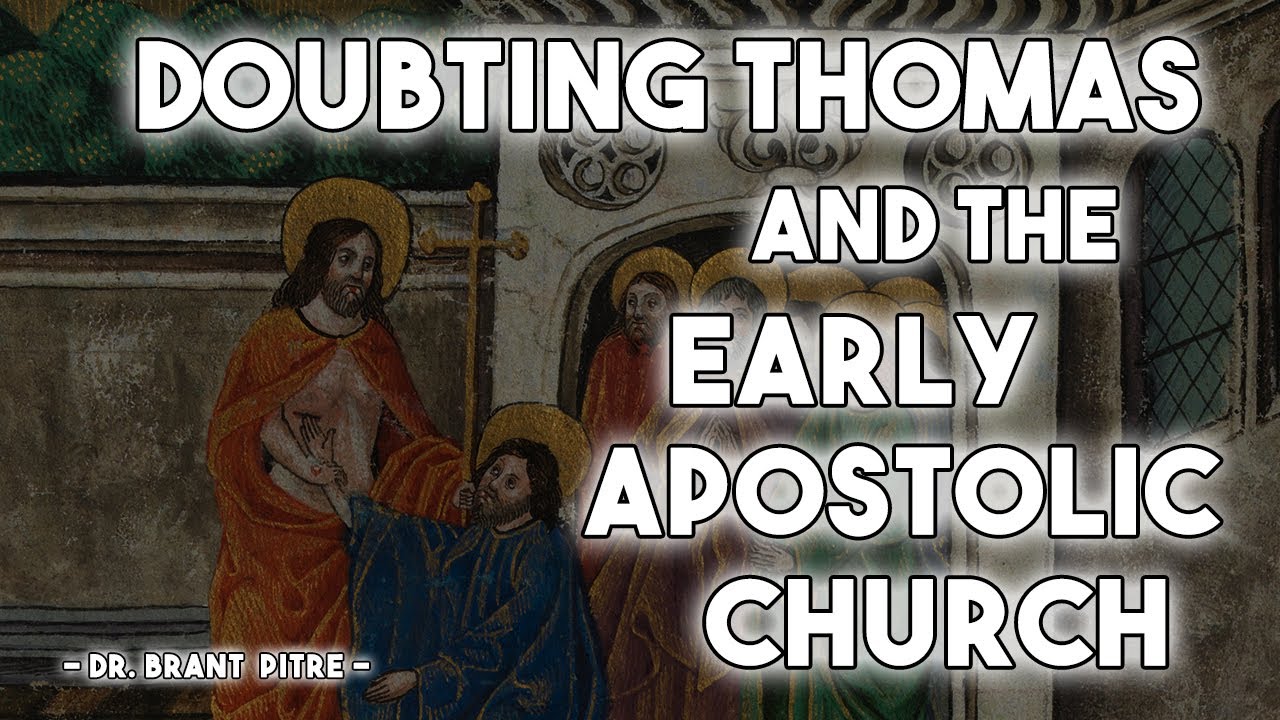
Catholic Productions

Catholic Productions

EWTN
Art
Christ and Saint Thomas
Andrea del Verrocchio · 1467
Photo by Mongolo1984 · CC BY-SA 3.0The Incredulity of Saint Thomas
Giovanni Battista Cima da Conegliano · 1502
Public domainThe Incredulity of Saint Thomas
Caravaggio · 1601
Public domainSaint Thomas
Diego Velázquez · 1618
Public domainMartyrdom of Saint Thomas
Peter Paul Rubens · 1630
Public domainSaint Thomas
Georges de La Tour · 1650
Public domain